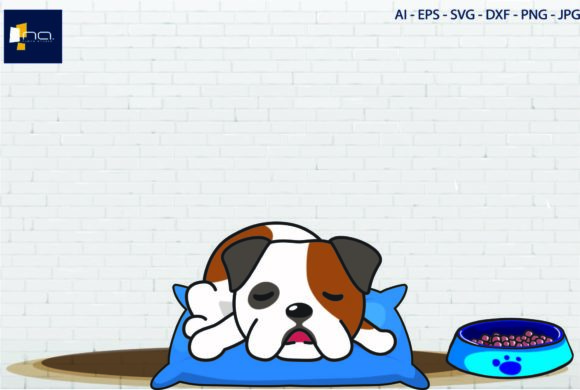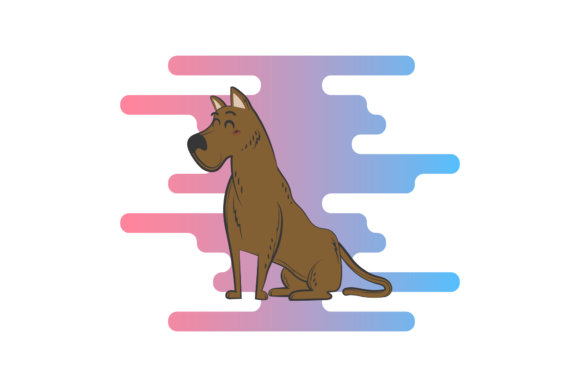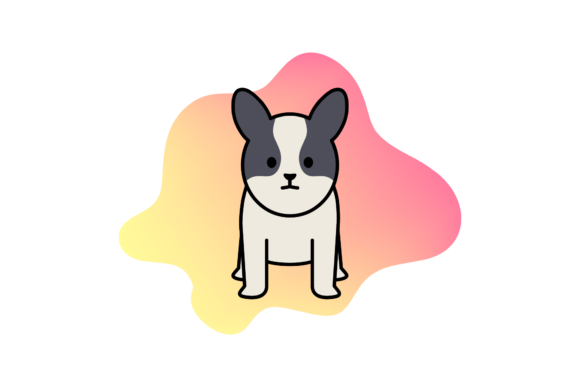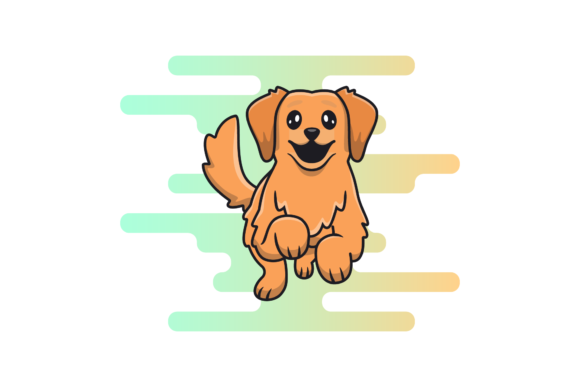
I Have Two Titles Dad and Dog Dad
When I first opened the I Have Two Titles Dad and Dog Dad design, I knew immediately what kind of embroiderer this was built for. It is honest, playful, and hits a sweet spot between humor and heart. As someone who has stitched hundreds of custom orders and tested more digital embroidery files than I can count, I have learned to judge a design by how it feels before the needle even drops. This one feels like it belongs on a sturdy tote bag headed to the dog park or across the chest of a well-worn sweatshirt that gets complimented every time it is worn. The mood is warm, proud, and just a little cheeky. It does not try too hard, and that is exactly why it works.
First Impressions of a Design Built for Real Projects
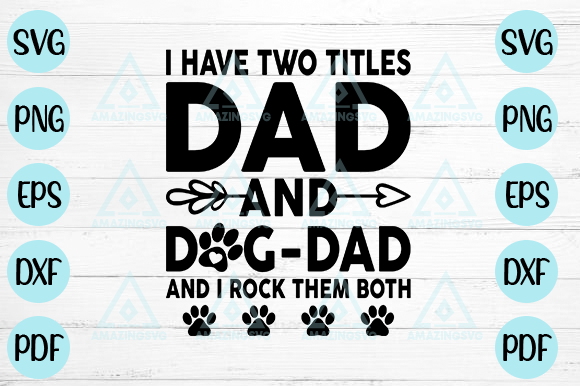
The layout of I Have Two Titles Dad and Dog Dad reads clearly at a glance. The phrase is structured so the humor lands without confusing the eye. That matters more than most buyers realize. In embroidery, readability is everything. If a customer squints at a finished hat or bib, the design fails. This one passes that test with room to spare. The visual personality feels contemporary but not trendy, which means it will still feel fresh a year from now. I could see this fitting into a Father's Day collection, a pet lover bundle, or even a simple everyday gift item. It is the kind of machine embroidery design that works for both personalized gifts and custom apparel sold by Etsy sellers and small shop product creators.
How It Performs in Real Embroidery Situations
I tested I Have Two Titles Dad and Dog Dad on a midweight cotton sweatshirt first. That is my go-to fabric for evaluating a new embroidery file because it reveals both strengths and weaknesses. The design stitched out cleanly with no shifting or distortion. The lettering held its shape, and the spacing between words stayed consistent. I then ran a second test on a structured tote bag, and the results were equally solid. The stitch density felt balanced, not too tight and not too loose. That is important for anyone planning to sell handmade products or finished product items, because a design that puckers or pulls on fabric will hurt your product value and customer trust.
For sweatshirt embroidery and tote bag design projects, this file performs at a professional level. The satin stitch areas, if present, are smooth and the fill stitch sections are even. I also tested it on a baby embroidery project using a soft organic cotton onesie, and it held up beautifully. The design is not so dense that it stiffens lightweight fabric, which is a common problem with poorly digitized applique design files. This one respects the fabric, and that will matter to anyone who sells boutique products or nursery decor items.
Where This Design Shines in Your Product Line
If you run a craft business or sell at local markets, I Have Two Titles Dad and Dog Dad is a versatile addition to your design assets. It works naturally on custom apparel like t-shirts, hoodies, and sweatshirts. It also fits well on home goods such as pillow covers, kitchen towels, and aprons. For holiday embroidery projects, think Father's Day gifts, Christmas presents for dog lovers, or even a birthday gift for a new dad. The phrase has broad appeal because it celebrates two identities at once, parenthood and pet parenthood. That dual meaning gives it strong giftability and recognition with a wide audience.
I also see potential for embroidered patch projects. A patch version of this design could be sold as a standalone item or applied to jackets, backpacks, and dog leashes. For digital product sellers and creative entrepreneurs, the design works well in printable mockup presentations. The clean layout photographs nicely, which helps with Etsy listings and social media previews. The Graphics category is appropriate here because the file is clean enough to use beyond embroidery in vinyl or sublimation projects. That kind of flexibility is rare and valuable.
Where to Use Caution Before Stitching
No design is perfect for every surface, and I Have Two Titles Dad and Dog Dad has a few limitations worth noting. On small hoop sizes, the full phrase may require careful scaling. If you shrink it too much, the lettering could become tight and the humor harder to read. I recommend testing the design at your intended size on scrap fabric before stitching a final product. That is standard advice for any digital embroidery file, but it is especially important here because the charm of the design depends on readability.
On textured fabrics like fleece or thick knits, the design may need extra stabilizer to keep the stitches crisp. On thin fabric or stretchy fabric, consider using a tear-away or cut-away stabilizer to prevent distortion. Dark fabric backgrounds work well if you choose thread colors with strong contrast. Light thread on dark fabric will make the design pop, while dark thread on dark fabric will lose the details. For layered garments or curved surfaces like caps, test the design at a smaller size and check that the lettering does not bunch up in the corners. Detailed corners and tiny lettering are always areas where problems show first, so inspect those areas closely during your test stitch.
If you plan to sell items that need frequent washing, like baby clothes or kitchen towels, use high-quality thread and a dense enough stitch density to prevent fraying. The design itself is sturdy, but the materials you pair it with will determine how well it ages. Thread color choice also affects visual appeal and stitching clarity. I used a bright white thread on a navy sweatshirt and the contrast was excellent. A softer tone on a cream fabric could work for a more subtle, refined look.
Practical Designer Notes for Professional Results
Before you stitch this design on a paid project, here are a few things I always recommend. First, test it on scrap fabric that matches your final product type. Do not skip this step even if you are in a hurry. Second, review the stitch density in your embroidery software if possible. If the file feels too dense, consider reducing density slightly for lighter fabrics. Third, confirm your hoop size can accommodate the design at the scale you want. Fourth, inspect small details like the edges of letters and any decorative accents for loose stitches or gaps. Fifth, test the design in black and white mockups to see how it reads without color. That will also help you evaluate contrast on light and dark fabric backgrounds.
Use proper stabilizer for your fabric type. For most cotton and polyester blends, a medium-weight cut-away stabilizer works well. For baby embroidery or delicate fabrics, use a lightweight stabilizer and reduce tension slightly. Always check whether the design works for both personal and commercial projects before selling finished product items. If you are a small business owner or handmade shop owner, confirming licensing is essential. This listing is for an instant download and can be used with the Cricut or Silhouette cutting machines or other machines that accept SVG, DXF, EPS, PDF or PNG file formats. Make sure you understand what rights are included for commercial embroidery and digital product sales before you list finished items.
Final Thoughts on Real Use and Customer Response
What I appreciate most about I Have Two Titles Dad and Dog Dad is how naturally it fits into real life. It is not a design that sits in a folder unused. It is the kind of file you reach for when a customer asks for something personal, funny, and meaningful. I have seen how handmade presentation and brand consistency affect buyer engagement and professionalism in a craft business. This design supports all of those qualities. It looks good in the hoop, on the finished product, and in the photos you post online. That is the sign of a well-crafted Illustrations piece that was designed with the end user in mind.
If you are an apparel decorator, an Etsy seller, or a hobbyist who loves making personalized gifts for friends and family, this embroidery design is worth adding to your library. It is practical, charming, and built to perform. Just take the time to test it on your chosen fabric, adjust your stabilizer and thread colors as needed, and you will have a product that customers notice and remember. That is the kind of design that builds a small shop product into something bigger.