Dog Animal Illustration Cute Clipart Art: Embroidery Review
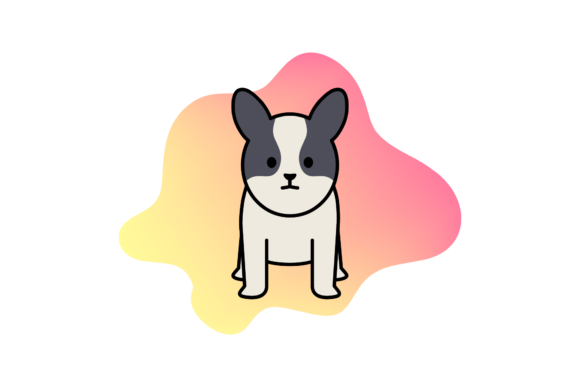
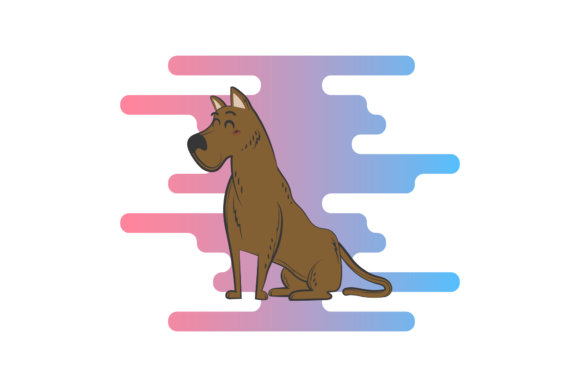
As a designer who’s spent more hours than I care to count testing clipart for machine embroidery, I’ve learned that not every cute digital file stitches out well. Some designs look great on screen but turn into a muddy mess of thread. Others have too much detail for a 4x4 hoop. When I came across the Dog Animal Illustration Cute Clipart Art, I was hopeful but cautious. The preview showed a friendly, balanced dog illustration with clean lines and a charming, approachable personality. It felt like it could work for a wide range of projects—from custom apparel to handmade gifts. But I needed to test it in real embroidery conditions before I’d recommend it to anyone.
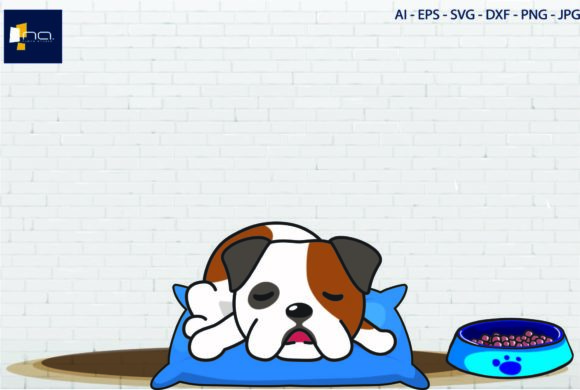
The design comes as a set of six digital files on a 1920x1280 pixel canvas. The formats include AI, EPS, SVG, DXF, JPG, and PNG. That’s a solid selection for editing and resizing, but note that none of these are native embroidery file formats. You’ll need to bring the vector file into your digitizing software and convert it to a machine embroidery file like PES, DST, or EXP. The large canvas size means the artwork is crisp and scalable, which is a good starting point for embroidery conversion.
First Impressions and Mood
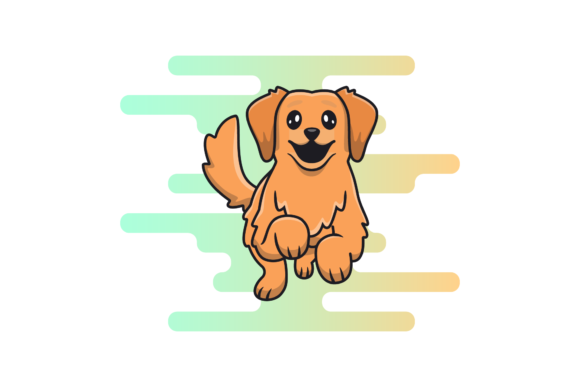
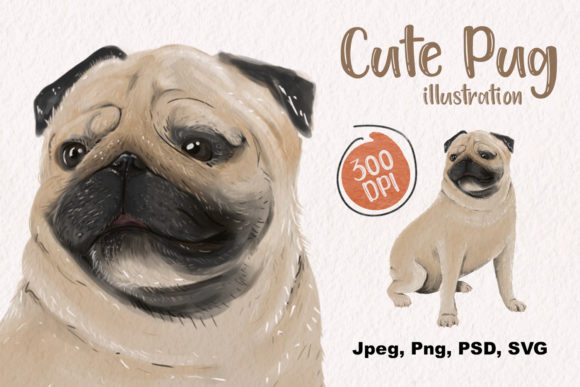
The dog in this illustration has a soft, friendly expression. The shape is simple enough that it doesn’t scream “clip art,” but it also isn’t hyper-realistic. It sits nicely in the sweet spot between cute and tasteful. The lines are consistent, the proportions are natural, and the overall composition is well-centered. I immediately thought of products like tote bags, sweatshirts, baby onesies, and embroidered patches. The design feels warm and handmade, which is exactly what small shop owners and Etsy sellers want for their customer base.
Because the design is a single solid figure without busy backgrounds, it lends itself well to embroidery. The negative space around the dog gives you room to adjust stitch density and thread colors without worrying about the background clashing with fabric texture. This is a big plus for anyone who wants to use the design on multiple fabric colors.
Real-Life Embroidery Test: Custom Tote Bag Project
I decided to use the Dog Animal Illustration Cute Clipart Art for a real project: a custom embroidered tote bag for a local pet boutique. The owner wanted something cute enough to appeal to dog lovers but not cartoonish, since her shop carries premium pet accessories. I imported the SVG file into my digitizing software, scaled it to about 3.5 inches tall to fit a standard 4x4 hoop, and began mapping out stitches.
The design’s open areas were ideal for fill stitches. I used a satin stitch for the outline, which gave the dog a clean, professional edge. The eyes and nose were small but manageable—I made sure to use a dense enough satin stitch so they wouldn’t get lost in the fabric. The ears and body had enough width to hold a smooth fill stitch without puckering. I tested on a medium-weight cotton tote bag in cream, with dark brown thread for the dog and a lighter tan for the inner ear details. The contrast was excellent, and the design retained its friendly character after stitching.
Where the Design Shines
This illustration works well on a variety of products. Based on my test, I’d recommend it for:
- Custom apparel – sweatshirts, t-shirts, kids’ clothing
- Tote bags and aprons – the design’s size range is flexible
- Baby embroidery – the cute, gentle look suits nursery items
- Embroidered patches – the clean outline makes it easy to trim
- Pillow covers and tea towels – adds a handmade touch
- Holiday or personalized gifts – works for dog lovers of all ages
The design also fits well for small shop merchandise and craft fair products. Its universal appeal means customers will recognize it as a giftable item. The visual personality is friendly without being overly trendy, so it won’t look dated next season.
Where to Use the Design Carefully
No design is perfect for every situation. Here are areas where the Dog Animal Illustration Cute Clipart Art needs extra attention:
- Small hoop sizes – if you’re using a 4x4 hoop, scaling the design below 2 inches might cause the eyes and nose to become too small for clean stitching. Test at the intended size first.
- Textured fabrics – fleece, terry cloth, or thick knits can swallow fine details. Use a medium-weight stabilizer and consider a slightly larger scale.
- Stretchy or thin fabrics – the design has moderate stitch density, but on stretchy knits, you’ll need a cutaway stabilizer to prevent distortion.
- Dark fabrics – the design is originally light-colored. If you stitch on dark fabric, choose a thread color that stands out, like white, cream, or a bright accent. Test contrast with a black and white mockup before stitching.
- Curved surfaces (caps, hats) – the design’s shape is rounded, but the ears and head may need slight digitizing adjustments to lay flat on a curved surface. Use a cap hoop if possible.
Visual Appeal and Customer Trust
After stitching my tote bag, I showed it to a few friends who run small shops. The response was positive. They noted that the design looks professional but still approachable. For an Etsy seller, this kind of illustration can be a strong selling point. It adds a handmade feel without looking amateurish. The finished product had good stitch clarity, smooth fills, and no thread breaks. The boutique owner who ordered the tote bags said her customers loved the design and asked if she’d offer it on other items.
This design also works well for printable mockups. If you sell digital products, the JPG and PNG files can be used for listing photos. Just be aware that the actual embroidery outcome will always look slightly different from a flat graphic. The texture of thread adds depth, which can enhance the design’s charm.
Practical Embroidery Designer Notes
Before you commit to a production run, follow these steps based on my experience:
- Test on scrap fabric – the same fabric you plan to use for your final product. This catches any sizing or tension issues.
- Check thread color contrast – use a mockup in black and white to see if the design reads clearly on different background colors.
- Review stitch density in your software – the design has solid areas that may need density adjustments to avoid excessive stiffness or puckering.
- Confirm hoop size – the original canvas is 1920x1280 pixels, but you’ll likely scale down. Make sure your hooping allows for at least 1 inch of margin around the design.
- Use proper stabilizer – for most cotton or poly-cotton blends, a medium-weight tear-away works. For stretchy fabrics, use cutaway.
- Inspect small details – the eyes and nose are the trickiest parts. If they look too small, enlarge the design slightly or simplify the digitizing.
- Verify licensing – the product description does not specify commercial use terms. Contact the seller before using the design on items you sell, especially if you plan to sell the digital files themselves.
Final Thoughts on the Illustration
The Dog Animal Illustration Cute Clipart Art is a versatile graphic that can elevate your embroidery projects. It’s not a ready-to-stitch embroidery file, but with a bit of digitizing effort, it becomes a reliable design for custom apparel, handmade gifts, and small shop merchandise. The illustration category covers a lot of ground, but this one stands out for its balance of cute and refined. If you’re an embroidery designer, Etsy seller, or craft business owner looking for a dog design that stitches cleanly and appeals to a wide audience, this is worth adding to your design assets. Just remember to test, adjust, and confirm your setup before you sew the final product.