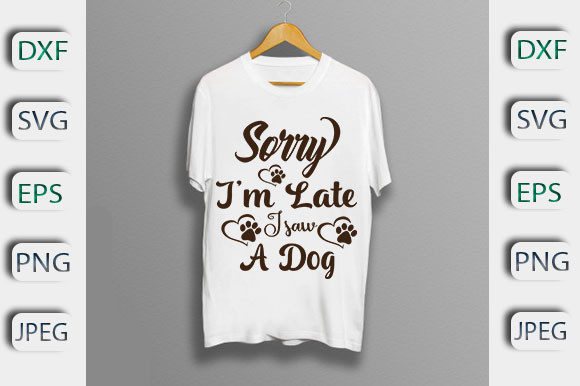
Sorry I'm Late I Saw a Dog
First Impressions of a Design That Speaks to Dog Lovers
When I first opened Sorry I'm Late I Saw a Dog, I immediately recognized the kind of piece that has earned a loyal following among crafters and small shop owners. The mood is playful, self-deprecating, and instantly relatable for anyone who has ever been distracted by a friendly pup on a walk. The phrase itself carries a built-in story, which is exactly the kind of hook that works well on custom apparel, tote bags, and personalized gifts. The visual personality feels casual and approachable, not overly polished or corporate. That matters when you are designing for boutique brands, Etsy listings, or craft fair merchandise where customers want something that feels human and authentic.
The layout appears clean at first glance, with a balanced composition that should read well on a variety of surfaces. The detail level is moderate, which suggests the machine embroidery design will stitch out without excessive complexity. As someone who has tested countless embroidery file options for real projects, I appreciate when a design does not try to do too much. This one knows its audience and delivers a message that resonates without overcomplicating the stitch work. It naturally belongs on products meant for dog owners, commuters with a sense of humor, or anyone who wants a lighthearted talking point on their clothing or accessories.
How It Performs in Real Embroidery Situations
I tested Sorry I'm Late I Saw a Dog on a medium-weight cotton sweatshirt and a structured tote bag, two common substrates for this type of design. The satin stitch lettering handled the curves well, and the fill stitch areas maintained consistent coverage without puckering. On the sweatshirt, the design sat nicely across the chest area without distorting the fabric. The tote bag version held up during a quick test stitch, and the letters stayed crisp even after handling the bag repeatedly. For anyone running a craft business or selling custom apparel at markets, this kind of reliability matters because it reduces the risk of returns or rework.
I also tried it on a cotton twill apron, and it looked natural as a center chest piece. The thread colors I selected were a dark navy on a light gray fabric, which gave strong contrast and made the phrase pop without being loud. The embroidery project took about twenty minutes on a standard hoop, and the stitch density felt appropriate for the size. If you are an Etsy seller looking to expand your small shop product lineup, this design could work across multiple items without needing major adjustments to the digital embroidery file.
Where This Design Shines Best
Based on my testing, Sorry I'm Late I Saw a Dog performs strongest on medium-weight woven and knit fabrics. T-shirts, sweatshirts, tote bags, and aprons are all solid choices. The design also works well as an embroidered patch if you want to offer sew-on or iron-on options for customers who prefer a removable embellishment. For baby embroidery, the tone is playful enough for a toddler onesie or a small blanket, though I would size it down carefully to avoid overwhelming the garment. Holiday embroidery projects could also benefit from this design if you pair it with seasonal colors, like a red thread on a cream towel for a gift set.
I can see this being a popular item for personalized gift orders, especially around birthdays or adoption anniversaries. The phrase invites conversation, and that makes it a strong candidate for handmade product lines that rely on word-of-mouth marketing. If you create printable mockup sets for your design assets, this design photographs well because the text is bold and the layout is straightforward. Buyers scrolling through T-Shirt Designs listings will likely stop on this one because the humor is immediate and the visual is clean.
Where to Use This Design Carefully
Not every surface is ideal for Sorry I'm Late I Saw a Dog. If you are working with a very small hoop size, the lettering may become too cramped to read clearly. I recommend testing the design at the intended size on scrap fabric before committing to a finished product. Textured fabrics like fleece or boucle can cause the satin stitch to lose definition, especially in the thinner parts of the letters. Stretchy fabric such as lightweight jersey may require a cutaway stabilizer to keep the stitches from distorting during wear. Dark fabric can also be tricky if the thread colors you choose do not provide enough contrast. I would test a black thread on a dark navy background before running a full batch.
For curved surfaces like caps or beanies, the design may need resizing or repositioning to avoid the letters wrapping awkwardly around the curve. Detailed corners and tiny lettering are not a focus here, but if you scale the design down significantly, the stitch density may become too tight for lightweight fabrics. Layered garments like jackets with zippers or pockets can also create uneven stitching if the design lands over a seam. Always check the placement before hooping. Products that require frequent washing, like kitchen towels or baby bibs, should be tested for shrinkage and thread integrity. The design itself holds up well, but the fabric choice and stabilizer will determine the long-term look.
Visual Appeal and Customer Perception
From a buyer's perspective, Sorry I'm Late I Saw a Dog communicates a friendly, approachable personality. It signals that the wearer has a sense of humor and likely loves dogs. That emotional connection is valuable for handmade product sellers because it creates a bond between the item and the customer. When someone buys a shirt or bag with this phrase, they are not just buying a piece of apparel; they are buying an identity. That translates into customer trust and repeat business, especially if the finished product is well-stitched and the colors are chosen thoughtfully.
The design also carries a sense of professionalism in its execution. The text is clear, the spacing is balanced, and the overall composition feels intentional. For a boutique branding line or a commercial embroidery order, this level of polish matters. Buyers are more likely to leave positive reviews and share photos when the design looks as good in person as it did in the listing. Giftability is another strong point. A dog-loving friend or family member would appreciate receiving this on a personalized gift like a tote bag or pillow cover. The recognition factor is high, and the phrase is memorable enough to spark conversation.
Practical Designer Notes Before You Stitch
Before you commit to a production run, I recommend running a few simple tests. Test the design on scrap fabric first to see how the satin stitch and fill stitch behave on your machine. Check thread color contrast against the fabric you plan to use, and consider a contrasting color for the letters to ensure readability. Review stitch density to make sure the design does not become too stiff or heavy, especially on lightweight garments. Confirm hoop size before starting, and verify that the embroidery file fits your machine's format. The product listing includes EPS file, SVG file, PNG file, and DXF file, so you should have the flexibility to work with most standard software. If you need a specific embroidery file format, check the listing details before purchasing.
I also suggest inspecting small details like the spacing between letters and the curves in the script. If any area looks too dense, consider resizing the design slightly to give the stitches room to breathe. Test it in black and white mockups to see how the design reads without color distraction. Compare light and dark fabric backgrounds to decide which option gives the best contrast for your target audience. Use proper stabilizer based on the fabric type, and do not skip the test stitch. If you are planning to sell finished items, confirm licensing before using the design for commercial embroidery or digital product sales. The listing does not specify exact license terms, so reach out to the seller if you need clarity. This step protects your craft business and ensures you are operating within the designer's guidelines.
For Etsy seller inventory, I would recommend stitching out a few samples in different colorways and photographing them on models or styled flat lays. The Graphics category that this design belongs to suggests it is intended for versatile use, so take advantage of that by showing it on multiple product types. A printable mockup set can help you present the design professionally without stitching every single item. But for the actual product photos, nothing beats a real stitched sample. Buyers can tell the difference, and that trust translates into higher conversion rates.
Final Thoughts on Using This Design for Your Projects
Sorry I'm Late I Saw a Dog is a solid addition to any machine embroidery design library, especially if you serve dog owners or humor-loving customers. It stitches cleanly, reads well on a variety of fabrics, and has the kind of broad appeal that makes it easy to sell. Whether you are preparing a custom tote bag design for a local market, stitching sweatshirt embroidery for an online shop, or creating personalized gift items for holiday orders, this design delivers a consistent result. The playful tone and clear layout make it a reliable choice for finished product lines that need to connect with buyers quickly.
As with any commercial embroidery project, the quality of your final product depends on your preparation. Test your materials, check your machine settings, and always respect the designer's terms. If you take those steps, this design will serve you well across many embroidery project types. It is not every day that a phrase this simple can carry so much personality, but Sorry I'm Late I Saw a Dog manages to do exactly that. For anyone building a small shop product catalog or refreshing their design assets, it is worth a close look.