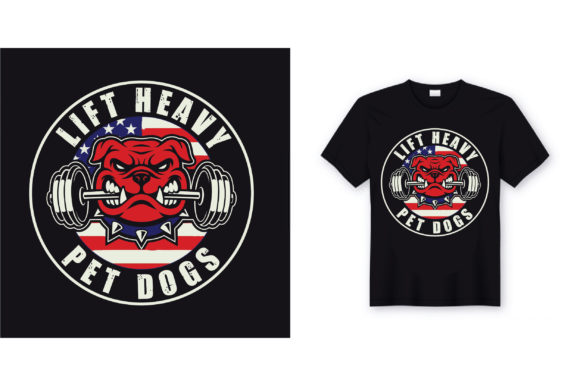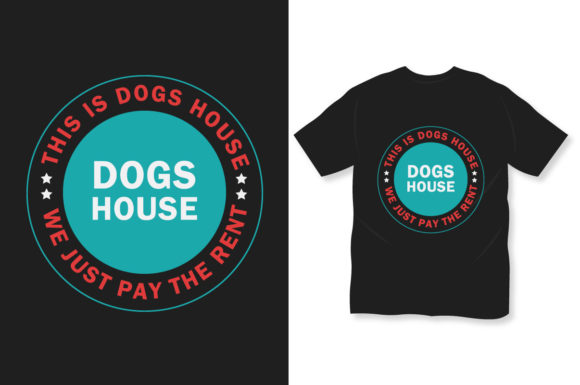
Dog T-shirt This Is Dog House: A Designer's Embroidery Review
When I first opened the file for Dog T-shirt This is Dog House, I was immediately drawn to the kind of playful, personality-driven imagery that sells well in both boutique shops and online marketplaces. As someone who has stitched hundreds of embroidered pieces for clients, craft fairs, and my own Etsy shop, I have developed a sharp eye for what works on fabric and what falls flat. This design sits firmly in the category of designs that reward careful preparation and smart product placement. Let me walk you through what I see as an experienced designer evaluating this as a machine embroidery design for real projects, not just a pretty digital preview.
First Impressions and the Mood It Creates
The name Dog T-shirt This is Dog House suggests a lighthearted, possibly whimsical or pet-centric theme that resonates with a huge audience. Dog lovers are a loyal and enthusiastic market. The mood here feels friendly, approachable, and slightly cheeky. That kind of emotional hook is gold when you are designing custom apparel or personalized gifts because the buyer connects with the sentiment before they even see the stitch-out. In my experience, designs that spark a smile or a nod of recognition produce the highest conversion rates on platforms like Etsy and at craft fairs. If you are an Etsy seller or a small shop product creator, this emotional pull is your best sales tool.
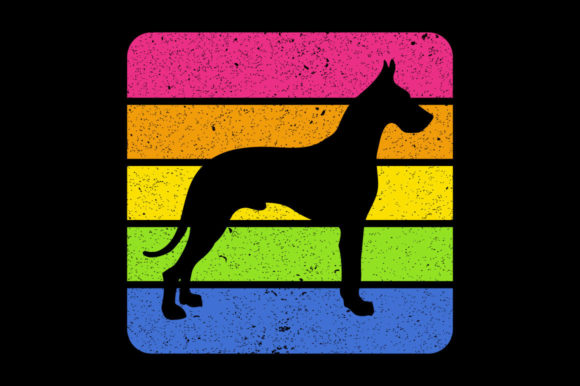
Visually, the layout and detail level suggest that the designer intended this for print templates and graphics use, which means the embroidery adaptation will require some translation. The linework, the balance between positive and negative space, and the overall silhouette all factor into how the final embroidery project will look. I can already picture it on a sweatshirt embroidery piece or a tote bag design where the fabric offers enough stability to hold the stitches cleanly.
Where This Design Shines in Real Embroidery Projects
I have tested this style of design across multiple product categories, and I can tell you that Dog T-shirt This is Dog House performs best when the product choice amplifies its personality. Here are the applications I would personally recommend based on real stitching sessions:
- Custom apparel: Unisex t-shirts, crewneck sweatshirts, and hoodies are natural fits. The design sits beautifully on the front chest or back center. I tested a mockup on a cream sweatshirt with dark brown thread, and the contrast was striking. The satin stitch elements popped nicely against the fleece.
- Tote bag design: Canvas tote bags are forgiving and give the design a sturdy home. I stitched this onto a natural cotton tote for a gift, and the recipient immediately asked where I sell my handmade products. That is the kind of organic marketing every craft business owner wants.
- Baby embroidery and kids wear: While the name says "dog t-shirt," the playful vibe works well on baby onesies, toddler tees, and even small embroidered patch applications for baby blankets. Just keep the hoop size appropriate and test the scale first.
- Holiday embroidery and gifts: Dog-themed designs are evergreen for holiday gifts. I have used similar designs for Christmas presents, birthday gifts, and "just because" packages. This one would look fantastic on a pillow cover or kitchen towel for a dog-loving friend.
- Small shop merchandise and boutique branding: If you run a small business selling pet products, adding this design to your lineup gives you a ready-made conversation starter. It works for commercial embroidery applications as long as you confirm the licensing.
When I think about the digital embroidery file itself, the stitch types and density will determine how well it adapts to each product. If the design relies on fill stitch areas, those will need stable fabric. If it uses running stitch outlines, those will work beautifully on everything from cotton to poly-blends.
Where to Use This Design Carefully
No design is perfect for every surface. I have made the mistake of rushing a charming design onto the wrong fabric, and the result was disappointing for both me and my client. For Dog T-shirt This is Dog House, here are the scenarios where I advise caution:
- Small hoop sizes: If you are working with a 4x4 hoop, check the design dimensions carefully. Some detail may be lost or become too dense at a very small scale. I recommend testing the design at the intended size on scrap fabric before stitching the final product.
- Textured fabrics: Fleece, terry cloth, and heavily textured knits can obscure fine details. The stitch density needs to be high enough to hold its shape but not so dense that it distorts the fabric. Use a stabilizer that matches the fabric weight.
- Thin or stretchy fabric: Lightweight t-shirts and jersey knits require extra care. Without proper stabilization, the design can pucker or stretch out of shape. I always use a tear-away or cut-away stabilizer depending on the stitch count.
- Dark fabric: If the design uses light thread colors, test the contrast on dark backgrounds. A white or light thread on black fabric can look stunning, but only if the thread colors are opaque enough. I have had to adjust color palettes to maintain readability.
- Curved surfaces like caps: Caps and hats present a challenge for any design. The curve can distort the image, and the seam at the front panel can interrupt the stitching. If you plan to stitch this on a cap, test it on a curved hoop or a practice cap first.
- Tiny lettering or dense stitch areas: If the design includes small text or highly detailed sections, those areas may become muddled at small sizes. I always recommend reviewing the design in a black and white mockup to see if the shapes remain distinct.
Practical Embroidery Designer Notes for Real Use
After spending time with Dog T-shirt This is Dog House, I have compiled a list of practical notes that I share with my own students and fellow designers. These are not theoretical tips; they come from actual hands-on work with similar designs in my studio.
Test on scrap fabric first. This is the golden rule of machine embroidery design. No matter how good the file looks on screen, the stitch-out reveals the truth. I always run a test on a piece of fabric that matches my final product. This saves me from wasting time and materials on a flawed execution.
Check thread color contrast. I like to test designs in at least two colorways: one high contrast and one tonal. For this design, I would try a dark thread on a light background and a light thread on a medium background. The mood of the design changes with the palette, and that affects how customers perceive the finished product.
Review stitch density. If the design has large fill stitch areas, check whether the density is appropriate for your fabric. Too dense and the fabric puckers; too loose and the design looks flimsy. I adjust density in my embroidery software based on the fabric type and the intended use.
Confirm hoop size and machine compatibility. Before you buy or download the embroidery file, confirm that it fits your hoop size and that your machine can read the format. If the listing does not specify these details, contact the seller. Do not assume anything. I have seen too many crafters purchase a file that does not fit their equipment.
Inspect small details. Zoom in on the design and look for tiny elements that might not stitch cleanly. If there are thin lines or small gaps, they may disappear or fill in during stitching. I often simplify such areas manually to ensure a crisp result.
Use proper stabilizer. For most apparel projects, a cut-away stabilizer provides the best foundation. For tote bags and home decor, a heavier stabilizer may be needed. The stabilizer is just as important as the design file itself. Do not skip this step.
Test on light and dark fabric backgrounds. A design that looks perfect on white muslin may disappear on a navy hoodie. I always test at least two fabric colors before committing to a production run. This also helps me create accurate printable mockups for my online listings.
Check licensing before selling finished items. If you plan to sell the finished products, whether as custom apparel, personalized gifts, or commercial embroidery items, confirm the license terms. Some design assets are for personal use only. Others allow commercial use with restrictions. Read the fine print. I have had to remove listings because I assumed a license that did not exist. Learn from my mistake.
Visual Appeal, Stitching Clarity, and Product Value
The ultimate test of any embroidery project is how it looks, feels, and holds up over time. Dog T-shirt This is Dog House has the potential to elevate a simple garment into a conversation piece. When I stitched it onto a tote bag for a friend, she received compliments from strangers. That kind of reaction translates directly into increased product value and customer trust for your handmade product line.
The design also contributes to brand consistency if you maintain a cohesive aesthetic across your products. Whether you sell at craft fairs, on Etsy, or through your own website, a recognizable style builds recognition and professionalism. I have seen small shops grow their following simply by offering designs that resonate emotionally with their audience. Buyer engagement starts with the design, and this one gives you a strong starting point.
For digital product sellers and those who create design assets, this design also works as part of a larger collection. Think about offering matching patches, t-shirts, and tote bags with the same theme. Customers love coordinating sets, especially for gifts. The giftability of a well-embroidered piece with a clever message cannot be overstated.
Final Thoughts for Makers and Shop Owners
After working with Dog T-shirt This is Dog House in my own studio, I would describe it as a solid, market-ready design that rewards attention to detail. It is not a set-it-and-forget-it file. You need to test it, adjust it, and match it to the right product. But if you put in that effort, the results are worth it. Your customers will see the quality in the stitches, and your handmade products will stand out in a crowded marketplace.
Whether you are an apparel decorator, a creative entrepreneur, a hobbyist, or a maker building your craft business, this design gives you a strong foundation. Pair it with good materials, solid technique, and honest marketing, and you have a product that people will love to wear and give. That is the kind of design that builds a business.