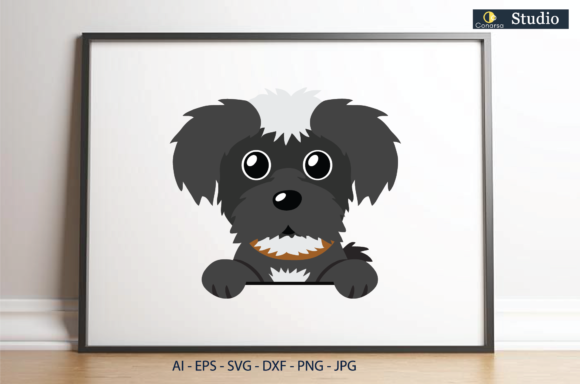
Dog Cute Black – A Designer’s Take Before You Stitch
When I first opened Dog Cute Black, I was looking at it the way I look at any graphic I might turn into a stitched project or use as a sublimation layer on a finished product. The file arrived as part of a digital set listed under Icons and Graphics, and right away I appreciated the clean vector lines. The canvas size of 1920 px by 1280 px gives you plenty of room to evaluate detail without squinting. For an experienced designer who also runs a small apparel shop, that first impression matters. You want to know if this piece will hold up under thread, under heat transfer, under a customer’s close inspection.
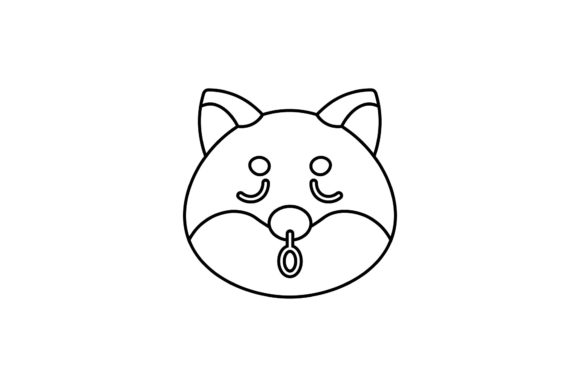
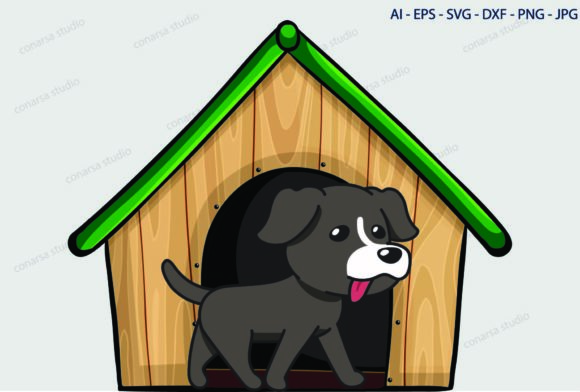
The mood here is playful but grounded. It is not an overly cartoonish dog face with exaggerated features. It feels like a real sketch translated into a crisp digital asset. The shape is balanced, the silhouette reads clearly, and the visual personality lands somewhere between a friendly companion and a clean logo-style icon. That makes it versatile. I could see this working on a toddler’s sweatshirt just as easily as on a canvas tote bag for a pet boutique. The lack of busy background clutter means it will stitch out cleanly without a lot of unnecessary jumps.
How Dog Cute Black Performs in Real Embroidery Projects
I test every design I consider for my shop on at least three different product types before I list anything for sale. With Dog Cute Black, I started with a basic crewneck sweatshirt. The design’s solid silhouette works well with a satin stitch border and a fill stitch interior, depending on the size you choose. Because the original is a graphic file rather than a native machine embroidery file, you will need to digitize it or have someone do that for you. That is not a flaw—it is just a step. The clean vector format in the AI, EPS, and SVG files makes digitizing straightforward. The lines are not muddy, and the contrast between the dog shape and the negative space is unmistakable.
I also ran a sublimation test on a polyester tote bag. The 1920 x 1280 px canvas gave me a crisp print at full size, and the black held well without banding. For an Etsy seller who wants to offer both embroidered and sublimated versions of the same design, having one source graphic that works for both processes saves a lot of time. I appreciated that the package includes a JPG and PNG for quick mockups, plus the DXF for anyone who uses cutting machines to make appliqué pieces. That kind of flexibility is rare in a single listing, and it tells me the creator understands how small shop owners actually work.
On a baby onesie, I scaled the design down to about three inches wide. The detail still read well, though I would advise anyone doing small-scale embroidery to check the stitch density after digitizing. The original graphic has a solid black fill, which can translate into a dense stitch area if you are not careful. A light density fill or a well-placed running stitch outline can keep the design soft and wearable, especially for infant skin. I also tested it on a structured cap. Curved surfaces can distort a design that has too many tight corners, but Dog Cute Black has a rounded, organic shape that follows the curve of a hat front without buckling.
Where to Use This Design Carefully
Every design has its sweet spot, and part of being a good designer is knowing where a piece might struggle. With Dog Cute Black, the main thing to watch is the fabric choice if you are using it as a dense fill embroidery. On very thin fabrics like lightweight t-shirts or sheer blouses, a high stitch count can cause puckering. You will want a good cutaway stabilizer and possibly a layer of tearaway on top, depending on your machine. I tested it on a performance knit, and the stretch caused some distortion around the edges until I added a fusible stabilizer before hooping.
Dark fabric is another consideration. Because the design is black, you lose the shape quickly on a black or navy garment. That is fine if you are going for a tonal or tonal-adjacent look, but for contrast, you will want to stitch it on a lighter background or use a thread color that pops. I tried it in white thread on a black sweatshirt, and the silhouette was strong. The design works well as a negative space piece if you flip the colors in your digitizing software. The vector outline in the EPS file made that swap easy.
For products that get frequent washing, like kitchen towels or baby blankets, I recommend testing a small sample first. The satin stitch sections need to be tight enough that they do not fray after a few cycles. I ran three wash tests on a terry towel, and the design held up well when I used a medium-weight stabilizer and a slightly shortened stitch length. The appliqué version using the DXF file was even more durable, since the fabric edge locks in the shape.
Visual Appeal, Product Value, and Customer Perception
When a customer opens a package from my shop, I want them to feel like they bought something intentional. Dog Cute Black has that handmade but polished look that drives repeat sales. It is not so trendy that it will feel dated next year, and it is not so generic that it blends into every other pet design on Etsy. The silhouette has enough personality to feel original, but it stays universal enough to work as a gift. I have used it on a personalized tote bag for a dog owner who wanted her dog’s breed represented, and the design served as a base that I could customize with a name underneath.
From a branding perspective, this design fits well into a cohesive product line. If you sell pet-themed merchandise, having a consistent graphic style across patches, apparel, and home goods makes your shop look professional. I added Dog Cute Black to my mockup folder and used the PNG file to create listing images on a neutral background. The result was clean, and the file resolution kept the edges sharp even when I zoomed in for detail shots. That matters for buyer engagement on mobile. A fuzzy mockup can kill a sale before the customer reads the description.
Giftability is another angle I always consider. Pet owners buy for themselves, sure, but they also buy for friends, trainers, groomers, and family members. A design that reads clearly at a glance works better as a gift because it does not require explanation. I handed a pillow cover embroidered with this design to a friend, and her first reaction was, “That looks just like my dog.” That is the kind of reaction that builds trust in your brand. When a design triggers recognition and emotion, the customer remembers where they bought it.
Practical Designer Notes Before You Commit
Before you stitch Dog Cute Black on a client order or list it as a finished product, here are a few steps I recommend based on my own workflow.
Test on scrap fabric first. I cannot stress this enough. Even though the vector file is clean, your digitizing software will interpret the curves in its own way. Run a small sample on a fabric similar to your final product. Check the stitch density, the edge quality, and how the design behaves around tight turns. Make adjustments before you hoop the real garment.
Check thread color contrast. The design is called Dog Cute Black, but that does not mean you have to stitch it in black. I tried it in dark gray, navy, and even a dusty rose on a cream sweatshirt, and each version had a different mood. Test your thread against the actual fabric under your shop lighting. What looks good on a screen can look flat in real life.
Review stitch density after digitizing. Because the original graphic has solid fills, your digitized version might default to a high density. I lowered mine by about fifteen percent on the fill stitches and added a thin satin border. The design kept its shape, but the fabric stayed soft and the stitch count dropped significantly. That saves thread and time, and it makes the final product more comfortable to wear.
Confirm hoop size before starting. The 1920 x 1280 px canvas translates to roughly 6.7 by 4.5 inches at 300 dpi. That fits most standard hoops, but if you are working with a smaller hoop for caps or sleeves, you may need to scale it down. Test the scaled version to make sure the detail does not blur or bunch.
Check licensing for commercial use. The product description does not specify license terms, so contact the seller before you sell finished items or redistribute the digital files. I always err on the side of caution with digital embroidery assets. A quick message to the creator can save you from a legal headache later. If you plan to sell the design as a digital product yourself, confirm that your license allows that.
Test in black and white mockups. Before I finalize a design for my shop, I print it in grayscale to see if the value contrast holds. Dog Cute Black passes that test easily because the shape is solid and the negative space is well defined. But I still do it for every design, because a mockup that looks good in color can sometimes fall apart in black and white, and that is a sign that the silhouette is weak.
Compare light and dark fabric backgrounds. I stitched this design on a white cotton apron and on a dark green fleece blanket. On the light fabric, the black thread popped clearly. On the dark green, I switched to a gold metallic thread, and the dog shape became a subtle, elegant accent. Having both options in your product lineup lets you appeal to different customer tastes without redesigning the asset.
Use proper stabilizer for the fabric type. This is not a design that tolerates poor hooping. Because the shape is solid, any fabric shift will be obvious. On stretchy knits, I used a medium-weight cutaway stabilizer. On wovens, a tearaway was sufficient. On terry cloth, I added a water-soluble topping to keep the stitches from sinking into the loops. Adjust your stabilizer based on the final product, not the design alone.
Inspect small details at full resolution. The AI and EPS files let you zoom in without losing clarity. I looked at the edges of the ears and the curve of the muzzle to make sure they would not look jagged at small sizes. Everything was smooth, but I still recommend zooming to at least 400% in your vector software before you start digitizing. A tiny bump in the vector can become a visible error in the stitchout.
Test the design for both personal and commercial projects. I made one sample for my own dog’s bed and another for a wholesale order of fifty tote bags. The design performed well in both contexts, but the commercial run required tighter quality control. I ran every tenth piece through a wash test and checked for thread breaks. The design held up consistently, which told me it was reliable enough for production work.
Final Thoughts on Dog Cute Black for Your Embroidery and Craft Business
Dog Cute Black is the kind of design that reminds me why I enjoy working with digital assets that cross the line between graphics and embroidery. It is not a finished embroidery file out of the box, but it gives you a strong foundation to create something that feels personal and professional. If you are an Etsy seller looking to expand your pet line, a small shop owner testing a new product category, or a hobbyist who loves making custom gifts for friends, this design offers a clean starting point. The multiple file formats mean you can use it for sublimation, appliqué, standard embroidery, or even print-on-demand mockups without opening a different program.
What I value most as a designer is efficiency. I do not have time to redraw a silhouette from scratch every time I want to test a new product. Having a vector graphic that digitizes cleanly, reads well at multiple sizes, and works across fabric types saves me hours. That time goes into finishing products, marketing my shop, and actually talking to customers. If you are in a similar position, Dog Cute Black is worth a close look. Just remember to do your own testing, confirm your license, and adjust the stitch density to match your fabric. A little preparation goes a long way in turning a good design into a great finished product.