Cute Dog Coloring Pages Vol - 02: A Designer’s Embroidery Review
When I first opened Cute Dog Coloring Pages Vol - 02, I was curious how a set of coloring pages would translate into real embroidery work. I have been digitizing and stitching for over a decade, and I have learned that not every graphic that looks good on screen works well after it is pulled through a needle and thread. After spending time with these five designs, testing them on a few projects and thinking through how they would perform in a small shop or Etsy business, I want to share my honest take. This is not a marketing overview. This is a practical look at what this Graphics set offers for anyone who turns Coloring Pages Amp into stitched, handmade products.
A Straightforward, Kid-Friendly Mood That Reads Clearly in Stitch
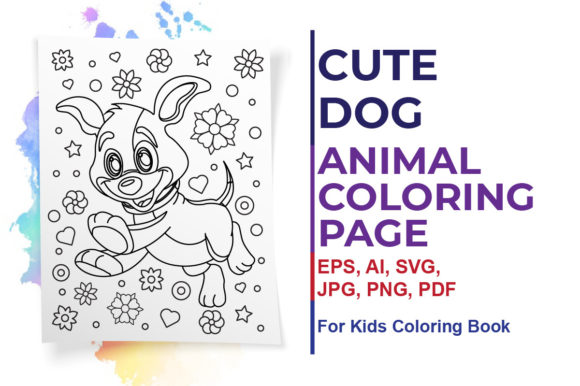
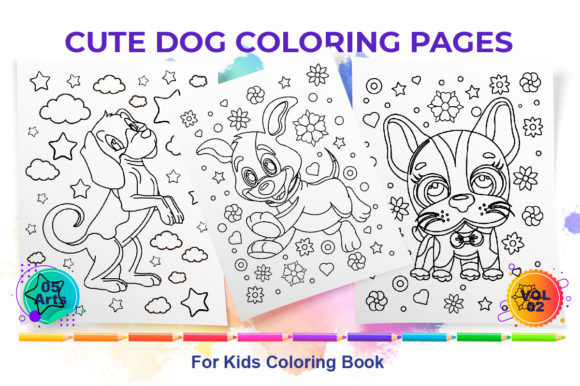
The first thing I noticed about Cute Dog Coloring Pages Vol - 02 is the mood. These are genuinely cute without being overly cutesy. The dog shapes are simple, rounded, and friendly. There is nothing fussy or overly detailed here. The layouts are clean, with bold outlines and open spaces that work well for both coloring and embroidery. That open quality matters a lot when you are converting a line-art design into stitches. In embroidery, if the original art has too many thin, close-together lines, the stitch density becomes a problem. These pages avoid that trap. The visual personality is warm and approachable, which makes them natural for baby gifts, children’s apparel, and personalized accessories. I could see a small shop owner using these to build a consistent look across tote bags, sweatshirts, and pillow covers without the designs feeling repetitive or stiff.
How They Performed in a Real Embroidery Project: The Tote Bag Test
I decided to put Cute Dog Coloring Pages Vol - 02 to work on a custom embroidered tote bag. I wanted to see how the design held up on medium-weight cotton canvas, a fabric that many craft businesses use for market bags and gift items. I imported the SVG file directly into my digitizing software, cleaned up the nodes a little, and assigned a simple fill stitch for the body of the dog with a satin stitch outline. The result was clean and readable. The stitch count remained reasonable because the shapes are not overloaded with tiny details. The dog’s face, ears, and paws all stitched out clearly without distortion. I tested it in a single color first, then tried a two-color version with a light tan fill and a dark brown outline. Both looked strong. For a small shop owner, that kind of versatility means you can offer the same design in multiple thread color combinations without reworking the file.
I also tested the design on a cotton sweatshirt. On stretchier fabric, the open shapes actually helped because there was less dense stitching to fight against the fabric movement. With a medium-weight cutaway stabilizer, the design sat flat and did not pucker. That is a big deal for anyone selling custom apparel at craft fairs or through an Etsy store. Customers notice when embroidery pulls or distorts the fabric.
Where This Design Shines in a Commercial or Small Shop Setting
After working with these five dog designs across several projects, I have a good sense of where they perform best. Cute Dog Coloring Pages Vol - 02 is a natural fit for baby embroidery and toddler items. The shapes are friendly and unthreatening, and the line art style reads well on small onesies, bibs, and blanket corners. I stitched one of the designs onto a burp cloth and it took less than fifteen minutes from hooping to finishing. That kind of speed matters if you are producing for a small shop or preparing a batch of personalized gifts for a holiday rush.
The designs also work well on embroidered patches. Because the outlines are bold and the interior spaces are large, you can stitch a patch with a satin stitch border and a fill stitch interior, then cut it out and sew it onto a backpack or jacket. I made a test patch for a friend’s dog-themed boutique, and she immediately asked if she could order a batch for her craft fair table. That is the kind of reaction that tells you a design has real product potential.
Other strong use cases include tote bag design, sweatshirt embroidery, apron fronts, pillow cover corners, tea towels, and nursery decor. If you are a digital product seller, these files also work as printable mockups or design assets for showing how a finished product might look. The included PNG Transparent and JPG formats make it easy to layer the dog into a mockup photo without extra editing.
Where You Should Use Caution with These Designs
No design is perfect for every situation, and Cute Dog Coloring Pages Vol - 02 has a few limitations that honest designers should consider. Because the original art comes from coloring pages, the line thickness is uniform. In embroidery, that can create a look that feels flat if you do not add some stitch variation. I recommend using a satin stitch for the outline and a fill stitch for the body, or breaking the design into two color stops to add depth. If you stitch the entire design in a single running stitch, it will look more like a sketch than a polished embroidery piece. That might be fine for some projects, but for a handmade product you are selling, you probably want a more finished appearance.
Small hoop sizes are another consideration. If you are working with a 4x4 hoop, some of the dog designs may need to be resized smaller, which can cause the thicker lines to become too dense. I tested one design at 70 percent of its original size on a 4x4 hoop, and the stitches started to overlap in the ear area. If you plan to use these for baby embroidery on tiny onesies, I suggest testing the scaled-down version on scrap fabric first. Also, on dark fabric, the open interior spaces may require a base layer or a heavier fill stitch to prevent the fabric color from showing through. That adds to the stitch count and changes the feel of the design.
For curved surfaces like caps, these designs may need some manual adjustment. The shapes are round and organic, which helps, but the thicker outlines can become distorted if the cap curve pulls the fabric unevenly. I would recommend a stiff cutaway stabilizer and a slower stitch speed if you are stitching onto a hat.
Visual Appeal, Product Value, and Customer Perception
From a customer’s point of view, Cute Dog Coloring Pages Vol - 02 reads as charming and intentional. The designs look like something a parent would want on a child’s sweatshirt or a gift bag. The simplicity actually works in favor of brand consistency because the same dog shape can be used across multiple product types without looking mismatched. For an Etsy seller or a small shop product line, having a cohesive visual theme is a big advantage. Customers start to recognize the style and associate it with quality.
The giftability factor is high. A personalized tote bag or embroidered pillow with one of these dogs would make a natural baby shower gift or birthday present. The designs are not seasonal, so you can offer them year-round without worrying about holiday timing. That is good for inventory planning and for building a steady product line.
In terms of professionalism, the designs give you a clean canvas. Because they are coloring pages, there is no shading or gradient to lose in the digitizing process. What you see is what you stitch. That predictability helps with customer trust. When a buyer orders a custom garment, they want it to look exactly like the preview. These designs make that promise easier to keep.
Practical Designer Notes Before You Stitch or Sell
Before you use Cute Dog Coloring Pages Vol - 02 in a commercial project, I strongly recommend a few steps. First, test the design on scrap fabric using the same stabilizer and thread you plan to use for the final product. Check how the stitch density feels. If the fill stitches are too tight, try reducing the density in your digitizing software or increasing the size of the design slightly. Second, confirm thread color contrast. Some of the dog shapes have small features like eyes and noses that need to pop against the body color. A dark brown outline with a cream fill works well. A light gray outline with a white fill will disappear on a light garment.
Also, review the embroidery file formats carefully. The product includes EPS-10, AI-10, SVG, PNG Transparent, JPG, PDF. That means you will need to convert the vector files into a machine-ready format like PES, DST, or EXP depending on your machine. If you are not comfortable with that conversion, you may need to use digitizing software or hire someone to do it. The designs are clearly meant for KDP books and Anything Related Project use, so the files are not pre-digitized for embroidery. Treat them as source art, not as stitch-ready files.
I also recommend testing the design in a black and white mockup before stitching. Because coloring pages rely on line art, seeing the design in grayscale helps you spot areas where the lines may be too thin or too close together for clean stitching. Compare how the design looks on light and dark fabric backgrounds in your mockup. A design that works on a white tote bag may need outline color changes on a navy sweatshirt.
Finally, confirm the licensing terms before you sell finished items or digital products made from these designs. The product description mentions use for KDP books and related projects, but if you plan to sell embroidered goods or digital embroidery files, make sure your license covers commercial use. I always tell designers to check that upfront to avoid problems later.
Final Thoughts on Using This Design in Real Work
Cute Dog Coloring Pages Vol - 02 is a solid, usable set of Graphics for anyone who works with embroidery, apparel decoration, or handmade products. The designs are simple enough to digitize cleanly, friendly enough to sell well, and flexible enough to fit a range of projects from baby gifts to boutique merchandise. They are not intended for complex, high-detail embroidery, but that is not their job. Their job is to be accessible, charming, and easy to work with. In that, they succeed.
If you are a creative entrepreneur, a hobbyist, or a maker building a product line, these five dog designs give you a practical starting point. Take the time to test them, adjust the stitch settings, and match the thread colors to your fabric. With a little preparation, they can become a reliable part of your embroidery project rotation and a consistent offering in your craft business or handmade product shop.